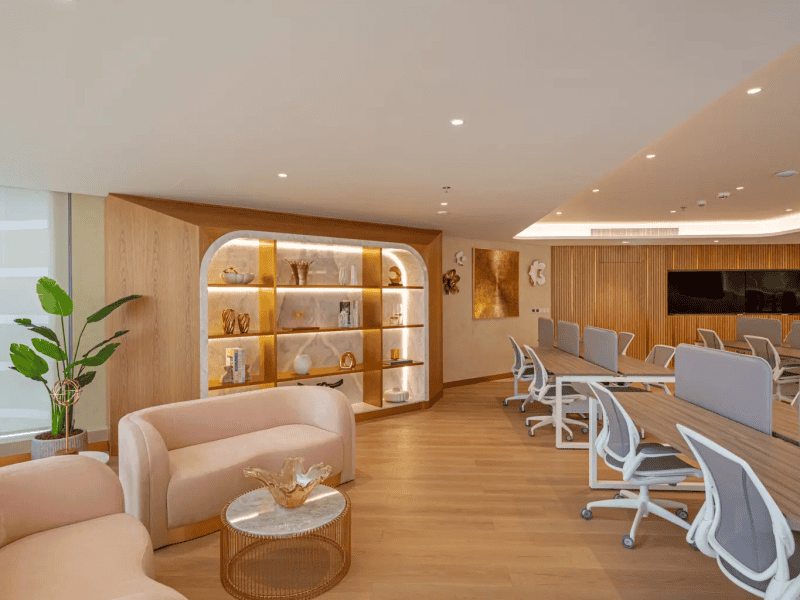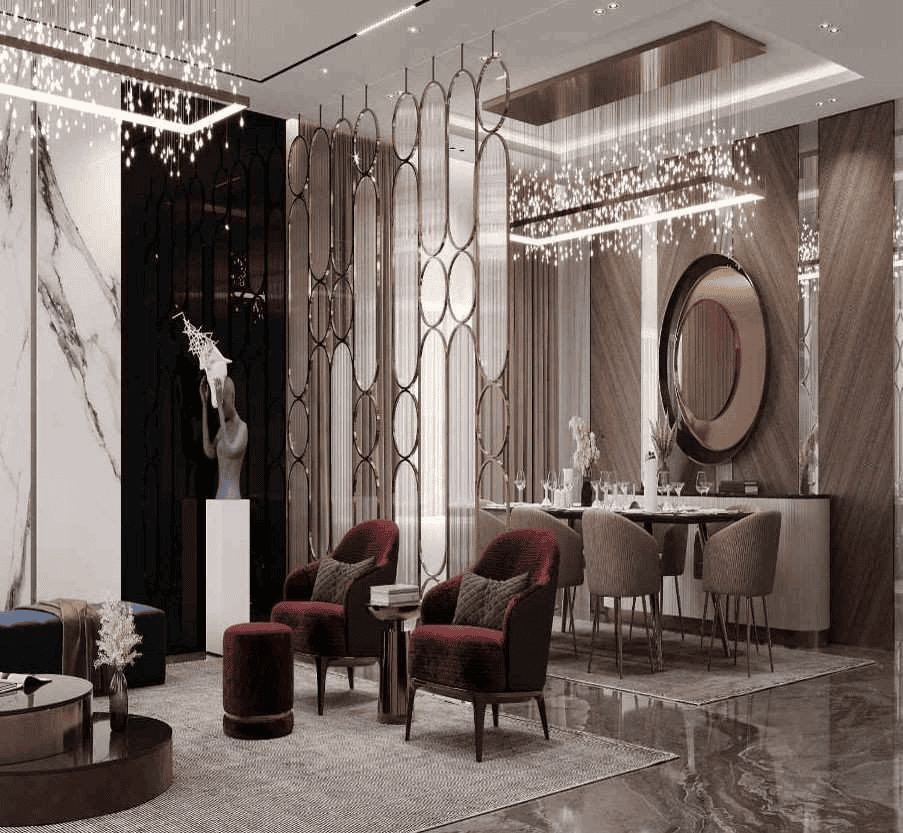
Clients walk into a design consultation with a folder of torn magazine pages and a head full of vague wishes. They describe a feeling they want, a mood, a certain light, but the gap between their spoken words and a physical reality remains vast. This is where the true value of modern visualization emerges, turning abstract ideas into concrete images before a single nail is hammered.
Interior firms now rely on this technology to bridge that gap, offering a clear window into the future of a space. This clarity builds trust and saves considerable time and resources for any interior design company in UAE.
Visualizing the invisible:
A floor plan shows measurements but fails to capture the atmosphere of a room. 3D rendering constructs a complete sensory preview, showing how shadows fall across a sofa at sunset or how a textured wall interacts with ambient lighting. This visual power allows clients to approve designs with complete confidence, eliminating the guesswork that once plagued the renovation process.
Eliminating costly missteps:
Construction errors arise from misread drawings and misunderstood dimensions. A rendered image exposes potential clashes between furniture layouts and structural elements well before construction begins. This foresight prevents expensive on-site changes, keeping the project within budget and the timeline firmly on track.
Facilitating decisive feedback:
Clients often struggle to articulate their preferences when looking at abstract sketches or material swatches. A photorealistic image invites specific reactions, allowing them to point directly at a color that feels too cold or a cabinet that looks too bulky. This focused dialogue produces quicker approvals and a clearer direction for the design team.
Streamlining the material selection:
Choosing paint, wood, and fabric from small samples offers a limited perspective. Rendering places these materials into a full-scale digital room, showing how they interact with each other under different light conditions. This holistic view enables designers to curate cohesive palettes that work harmoniously, avoiding unpleasant surprises during the final installation.
Attracting new projects:
High-quality visuals serve as the most persuasive portfolio pieces for any design studio. These images communicate a firm’s skill and aesthetic sensibility to prospective clients scrolling through online platforms. A striking render grabs attention and conveys professionalism, making it a primary tool for business growth and client acquisition in a crowded market.